
Are you conscious about the environment and aware of all the toxins that surround us and our families? Perhaps you have even tried to detoxify your body and your immediate environment. But have you thought about Christmas?
I will be covering a set of “toxic” problems and will give you some ideas so you can have yourself a Merry (and toxin-free) Christmas. So here are a few things to think about this holiday season:
CHOOSING A TREE: Artificial or real? Is this question getting more pressing on your mind as we are approaching Christmas? Artificial trees are reusable, but they are full of toxic chemicals. Almost all artificial trees are made from Poly Vinyl Chloride (PVC) and often contain lead. It is important to remember when choosing a tree that even real trees may come into your home with unwanted gifts…in the form of pesticides. Conventionally grown trees are sprayed all over with pesticides. Alternatively, you can sit in your fuel burning car, drive to the nearest tree farm, buy an organic, locally grown tree, that was cut down in the prime of its life (just for your pleasure) and drive it back home. You can then place your organic tree into a tree holder where it will soak up gallons of water and will grow mould in your toasty, warm living room. You can also purchase a live tree in a pot, which can later be planted outside. Both sides have merit and raise very serious concerns for the green-minded.
LIGHTS: Sadly, many Christmas lights are also a toxic: most commercial lights cords are made of a mix of PVC and lead as well. Ideally, you should wear gloves when you untangle them and hang them on the tree. They are fine when hanging, they do not outgas lead. Do not allow children to touch them and always wash your hands after handling lights! For better options, buy LED as most LED lights meet the European Restriction of Hazardous Substances Directive (RoHS), which requires them to be virtually lead-free.
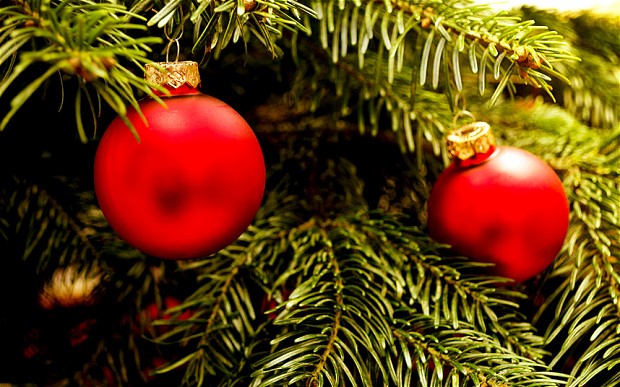
DECORATIONS: Those lovely decorations on the tree are also a source of additional concern. They often contain lead paint or mercury (some are even called “mercury glass” ornaments!), so be sure that they do not get handled by children. Furthermore, many Christmas decorating plants are toxic if eaten. Both holly and mistletoe berries are very poisonous, and can cause serious problems if consumed by children. Why bring these risks into your home? There are so many other ways to decorate, as well as more natural options for greenery!
CANDLES: There’s nothing like the gentle flicker of a candle flame, and a warm, sweet scent filling your home during Christmas time. Conventional candles are made of paraffin wax, and many wicks contain lead. Scented candles use chemical scents that typically contain pthalates, a chemical used in parfumes, air fresheners and fragrances for many household items that has been linked to diabetes and heart disease, among other health problems. In order to avoid these toxins only burn candles that are made of natural beeswax. You can create a naturally inviting holiday scent; boil cloves and cinnamon sticks in a pan or poke cloves into oranges.
GIVING GREEN: Try to think of eco-gift ideas that do not put children’s health and safety at risk. Avoid toxic chemicals, do not promote a culture of violence, and do not add to the usual mountains of unwanted Christmas presents. Recycled artwork, newspaper and old cardboard boxes can be used for wrapping and gift cards or ask that gifts come unwrapped to save excess wastage. You can give more while spending less by giving gifts that are personal and unique. While young children may favour brand new store-bought items, most adults appreciate anything that shows thoughtfulness.
PARTYING GREEN: Parties are fun. But at the cost of nature. A lot of leftovers and general rubbish are left after the fun is over. Most of them are plastics and other non-biodegradable products. These non-biodegradable items release toxins and are harmful for our nature and to us. Take practical steps on “partying green” this Christmas by making a deliberate decision not to throw lavish and wasteful parties, including using only reusable party ware and segregating party rubbish for easy recycling or composting.
CLEANING GREEN: While you are getting your home ready for the holiday season one of the most important steps you can take towards a toxin-free Christmas is to choose natural or non-toxic cleaning products. You can pretty much clean your whole home with vinegar and baking soda. Vinegar is effective for killing mould, bacteria, and germs due to its level of acidity. It’s also safe on virtually every surface and it achieves a natural shine. If you need to work on stains or grease then baking soda is your product.
Enjoy your holiday this season with eco-friendly and toxin-free ways to bring Christmas décor touches to your home. From decorating to giving gifts, the holiday should not mean giving up your Earth conscious lifestyle. Use these tips for a wonderful Christmas holiday and see if you can start new toxin-free traditions for the years to come! Merry Christmas!
About the Author: Aniko Sziraczki is a Kinesiologist with a background in psychology. She is very passionate about green parenting as well as healthy eating and toxin-free living. She set up a Facebook group called Raising Toxin Free Children. It is for parents and alternative health therapists to share their knowledge about the impact of various chemicals on the bodies and health of children. It is a safe and supportive place to get advice and support about toxin-free living and parenting.