
Children (and adults) with AD(H)D are characterised by motor hyperactivity, restlessness, impaired attention and impulsivity. These children are highly distractible but attend only briefly to distracting stimuli. Antisocial behaviour and emotional outbursts may accompany the other symptoms. Sleep disturbance is sometimes reported in younger children but many of them sleep well. Often their hyperactivity during the day exhausts them by bedtime, however they tend to wake up early in the morning.
Medical Treatment: Many psychiatrists believe that drugs can be of real value in the treatment of AD(H)D. The choice of drugs lies between methylphenidate, various amphetamine derivatives, Dexamfetamine and Atomoxetine. The most commonly used drugs are Ritalin, Adderall, Zoloft and Concerta. These medications can cause serious side effects, which may include increase in blood pressure and heart rate, epileptic fits, loss of appetite, trouble sleeping, headaches, stomach aches, mood swings, dizziness, liver damage and in some cases depression and suicidal thoughts. It is known that long term effects of stimulant drugs are less satisfactory than the short term ones.
Some parents find comfort in such medications and many doctors are happy to prescribe them. However, I feel it’s important to know that there are some natural remedies that can help reduce AD(H)D symptoms, without the harmful side effects.
1. Gotu Kola: This herb helps to balance the right and left hemispheres of the brain. Additionally it enhances blood flow in the brain by producing more neurotransmitters which in turn helps to increase mental function and cognitive ability. It also improves concentration and may reduce anxiety. My recommended product.
2. Gingko Biloba: This herb is often used to help relieve depression as it is known to increase blood flow to the brain. Gingko Biloba plays a critical role in delivering blood and blood sugars to the brain and certain nerve cells. It improves cognitive function and performance. Recommended product.
3. Ginseng: AD(H)D is often associated with deficits in neurotransmitters, the chemicals that allow nerve cells to communicate and function properly. Ginseng helps to combat this deficiency and it improves people’s well-being. It’s often used for alertness and to improve concentration. It increases energy and improves concentration. In addition it reduces fatigue, improves memory, coordination and stress-coping abilities. Recommended product.
4. Valerian: The root of this herb has long been used as a sedative and it is the active ingredient in numerous over-the-counter tranquilisers and sleeping aids. It can also help some symptoms of AD(H)D. Valerian has been said to relieve restlessness, anxiety and nervousness. It promotes relaxation and more restful sleep without drowsiness. Recommended product.
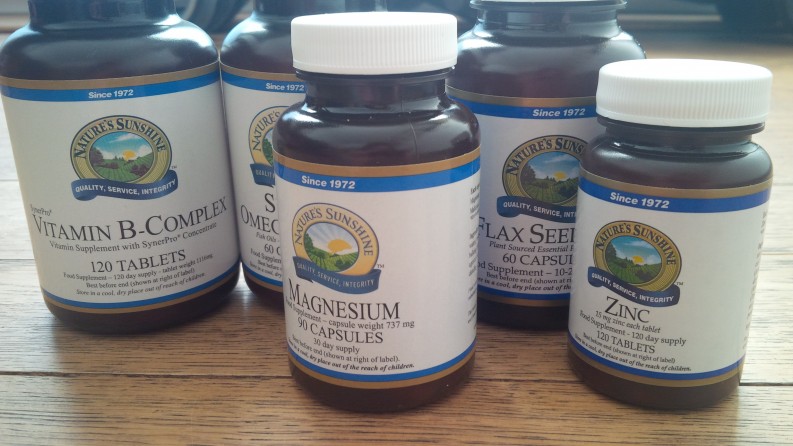
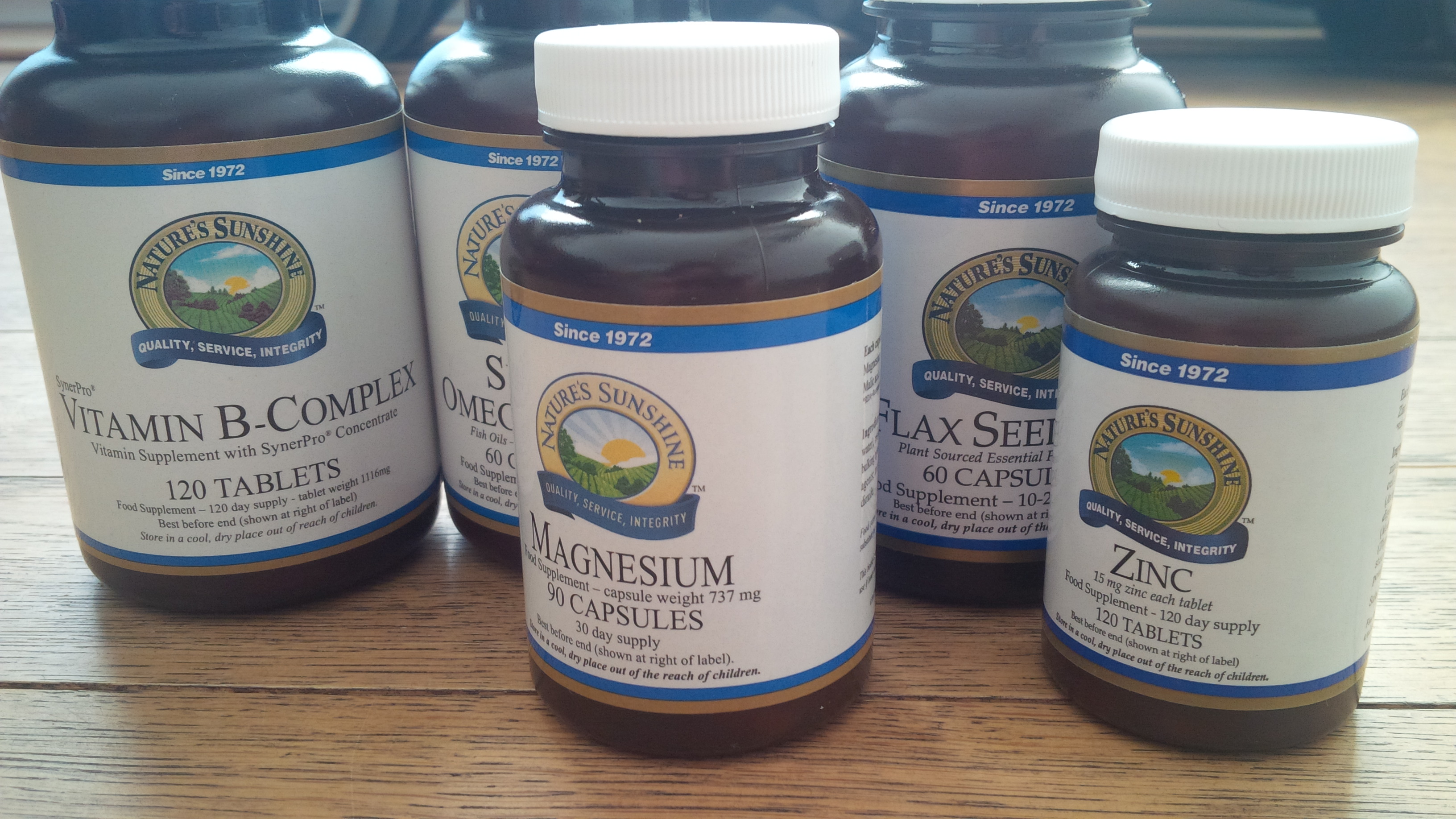
5. Zinc: Some people with AD(H)D are deficient in zinc. According to a study in the Journal of Child and Adolescent Psychopharmacology there is a correlation between zinc levels and teacher- and parent-rated inattention in children. By supplementing with zinc children’s hyperactivity and impulsivity can be reduced. Recommended product.
6. Omega 3: Fatty acids are essential nutrients for our health. Supplementing with Omega 3 creates faster transmission of nerve impulses from one nerve cell to another and as a result it leads to improved mental focus, reduced mood swings and aggressiveness. Recommended product.
There are a number of other ways you can treat or reduce the symptoms of AD(H)D naturally:
The most common nutritional deficiencies I see in my practice include low vitamin B levels, low magnesium, and low levels of amino acids. It is best to eat healthy, raw and organic food that’s low in sugar and high in vitamins. It can also be beneficial to cut out dairy and gluten from your children’s diet. Regular exercise is important; even running up and down the stairs a few times can make a huge difference in many children as it gives their brain a serotonin boost. Keep your environment relaxing and as toxin-free as possible. Try to avoid constant electronic stimulation and reduce screen time overload!
As you can see medication is not always the only answer. Keep your child less dependent on medical drugs if possible and try natural alternatives to reduce the symptoms of AD(H)D! Find yourself an alternative therapist, such as a kinesiologist, natural herbalist or homeopath who can check for nutritional deficiencies and help you find the right treatment.
Please note that the effectiveness of any treatment for AD(H)D varies by individual. You should not begin any new course of treatment before discussing it with your GP, as some supplements and herbs can react unpredictably with other medication or make it less effective.
Visit our Facebook page where we will be sharing more tips on how to treat AD(H)D naturally. https://www.facebook.com/raisingtoxinfreechildren
Sources for this article include:
http://www.nhs.uk/Conditions/Attention-deficit-hyperactivity-disorder/Pages/Treatment.aspx
http://www.mayoclinic.com/health/ginkgo-biloba/NS_patient-ginkgo/DSECTION=evidence
http://online.liebertpub.com/doi/abs/10.1089/cap.2005.15.628
http://jad.sagepub.com/content/12/5/394.short
http://www.cogmed.com/the-best-alternative-therapies-for-managing-adhd-symptoms