
We often blindly trust those products that are marketed as natural, organic and the ones that are recommended to us by our health visitors and other health professionals. “All natural”, “inspired by nature”, “100% natural”, “made with natural ingredients” and so on are all advertising gimmicks that companies use more and more often nowadays but it is up to us as parents to investigate and educate ourselves about ingredients on product labels. Products are labelled “natural” because they come from a natural source but it does not necessarily mean that they are safe. Scarily, many of our most trusted “natural” products are packed with harmful, toxic ingredients, some of them are not even mentioned on the labels.
The potential risks of some of the ingredients in these products cannot be ignored. I believe it is important to educate ourselves about the harmful ingredients in order to improve the future and health of our children.
During my baby’s 6 months health check the health visitor informed me that the Department of Health recommends that breastfed babies start taking multivitamin drops from six months. She also said that the “government recommends Abidec multivitamin drops”. When I asked her whether it was safe and toxin free she said “I suggest you go and do your research”. So that’s exactly what I did and here is what I found:
Abidec
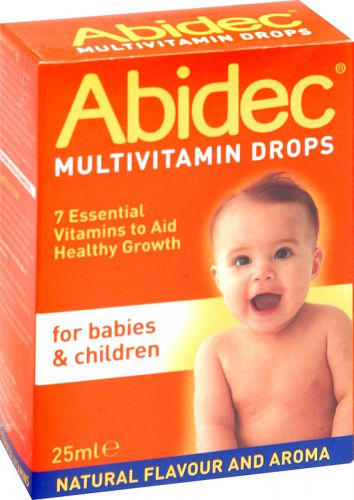
Ingredients: Purified water, glycerol, fish oil powder, sodium citrate, thickener: Xanthan gum, vitamin c (ascorbic acid), lemon flavouring, citric acid, sodium chloride, preservative: potassium sorbate, vitamin E (d alpha Tocopheryl acetate, sunflower seed oil), Niacin, Pathothenic Acid, vitamin B6, vitamin A (dl alpha tocopherol, vitamin A palmitate), Thiamin (Vitamin B1), vitamin D (dl alpha tocopherol, vitamin D, medium chain triglycerides). Sodium hydroxide, sugar (sucrose), polysorbate 60, nitrogen (oxygen free), refined peanut oil (arachis oil) and water.
Abidec Multivitamin Drops contains Arachis oil (peanut oil) and should not be taken by patients known to be allergic to peanut. As there is a possible relationship between allergy to peanut and allergy to Soya, patients with Soya allergy should also avoid Abidec Multivitamin Drops. I wonder how many 6 months olds are “known to be allergic to peanuts”?
It also contains Sodium Hydroxide that is a potentially dangerous substance. It is found in cleaning products, especially drain and oven cleaners and is used to make fabric, plastic wrap and paper. It is used in soaps and detergents and in metal processing. Exposure to very low levels (dust or mists) can irritate the skin and eyes. Exposure to higher levels can cause severe burns in the eyes, skin, digestive system and lungs.
So this is what the Department of Health recommends for your babies… Shocking! Now, let’s take a closer look at some other multivitamins that are not recommended by them but are freely available in pharmacies and supermarkets and even health food stores.
Wellkid Baby and Infant Multivitamins

Ingredients: Purified Water,Raw Cane Sugar ,Glucose Liquid ,Malt Extract (from Barley) ,Vitamin C (Ascorbic Acid) ,Flax Seed Oil ,Ferric Ammonium Citrate ,Citric Acid ,Natural Flavour: Concentrated Vanilla Flavour ,Orange Oil ,Natural Colour: Betacarotene (Carriers: Polysorbate 80, Sunflower Oil, DL Alpha Tocopherol Ascorbyl Palmitate) ,Zinc Sulphate ,Xanthan Gum ,Preservative: Potassium Sorbate ,Vitamin E (DL-Alpha Toccopheryl Acetate) ,Niacin (as Nicotinamide) ,Beetroot Extract ,Pantothenic Acid (D-Panthenol) ,Riboflavin ,Thiamin (Vitamin B1 Hydrochloride) ,Vitamin B6 (Pyridoxine HCl) ,Vitamin A ,Sodium Hydroxide ,Copper Sulphate ,Folacin (as Pteroylmonoglumatic Acid) ,Vitamin D3 (Cholecalciferol) ,Vitamin B12 (Cyanocobalamin)
Polysorbate 80 According to a PubMed.com study polysorbate 80 is a solubilising agent that can cause severe non-immunologic anaphylactoid reactions.
Potassium Sorbate This is a preservative that may cause allergic reactions, asthma, skin irritation and behavioural problems.
Sodium Hydroxide is a potentially dangerous substance. It is found in cleaning products, especially drain and oven cleaners and is used to make fabric, plastic wrap and paper. It is used in soaps and detergents and in metal processing. Exposure to very low levels (dust or mists) can irritate the skin and eyes. Exposure to higher levels can cause severe burns in the eyes, skin, digestive system and lungs.
Copper Sulphate is an inorganic compound that combines sulfur with copper. It can kill bacteria, algae, roots, plants, snails, and fungi. The toxicity of copper sulfate depends on the copper content. Copper is an essential mineral. It can be found in the environment, foods, and water. Copper sulfate is registered for use in pesticide products. It can cause severe eye irritation. Eating large amounts of copper sulfate can lead to nausea, vomiting, and damage to body tissues, blood cells, the liver, and kidneys. Children are more sensitive to this substance than adults.
Cyanocobalamin is the most common type of vitamin B-12 added to supplements, but it is very poorly absorbed. It is cheap to manufacture, so it is preferred by the less-ethical supplement manufacturers.
WellKid Smart Chewable Multivitamins

Ingredients: Sweeteners: Xylitol,Sucralose ,Magnesium Hydroxide ,Flax Seed Oil Powder (carriers: Maltodextrin, Starch, Antioxidants: Ascorbyl Palmitate, Mixed Natural Tocopherol) ,Flavours: Natural Lemon, Raspberry, Strawberry & Apple ,Vitamin C (Ascorbic Acid) ,Ferrous Fumarate ,Maltodextrin ,Anticaking Agents: Silicon Dioxide, Stearic Acid & Magnesium Stearate ,Niacin (Nicotinamide) ,Citric Acid ,Beetroot Powder ,Zinc Oxide ,Vitamin E (D-Alpha Tocopheryl Acid Succinate)* ,Pantothenic Acid (as Calcium Salt) ,Vitamin A (as Acetate; Antioxidant: DL-Alpha Tocopherol) ,Thiamin (Vitamin B1 Mononitrate) ,Vitamin B6 (Pyridoxine HCI) ,Vitamin D (Cholecalciferol, [carriers: Acacia, Sucrose, Corn Starch, Medium Chain Triglycerides, Antioxidant: DL-Alpha Tocopherol]) ,Riboflavin ,Manganese Sulphate ,Copper Sulphate ,Folic Acid (as Pteroylglutamic Acid) ,Potassium Iodide ,Chromium Trichloride ,Sodium Selenite,Biotin ,Vitamin B12 (Cyanocobalamin),*From Soya
Xylitol (personally, I have my doubts about Xylitol being a natural and safe sweetener but more about this in a different blog)
Sucralose is a synthetic additive created by chlorinating sugar. Reported side effects are head and muscle aches, stomach cramps and diarrhoea, bladder issues, skin irritation, dizziness and inflammation. It can also cause shrinking of the thymus gland and it reduces healthy intestinal bacteria.
Acesulfame Potassium is one of the most dangerous artificial sweeteners that contains methylene chloride, a known carcinogen. Long term exposure to this substance can cause nausea, headaches, mood problems, impairment of the liver and kidneys, problems with eyesight and possibly cancer. It may also contribute to hypoglemica.
Magnesium Hydroxide is often used as a laxative. It can cause diarrhoea and eye damage. Maltodextrin (derived from GM corn) Some individuals may experience an allergic reaction to maltodextrin use. An allergic reaction to maltodextrin is often the result of an adverse reaction to the base starch, glucose, that maltodextrin is made from. Individuals with allergies to wheat and corn are the most likely to experience an allergic reaction to maltodextrin because of their similar chemical structure. It is also a common keyword used by industry to hide the presence of monosodium glutamate (MSG).
Ferrous Fumarate is used as an iron supplement. When consuming iron that comes naturally in food, it is impossible to get toxic amounts that can cause death. But when taking Ferrous Fumarate, fatal levels of toxicity can be reached, especially in children under 6.
Magnesium Stearate is a potentially harmful additive found in many supplements. It can cause possible harm to the intestine, possibly even preventing the proper absorption of other nutrients. Most people say that it is safe and non-toxic, however Magnesium Stearate is made by hydrogenating cottonseed or palm oil. Cottonseed oil has the highest content of pesticide residues of all commercial oils; cotton crops are heavily sprayed.
Manganese Sulphate This substance is irritating to the respiratory system and to mucous membranes.,
Copper Sulphate is an inorganic compound that combines sulfur with copper. It can kill bacteria, algae, roots, plants, snails, and fungi. The toxicity of copper sulfate depends on the copper content. Copper is an essential mineral. It can be found in the environment, foods, and water. Copper sulfate is registered for use in pesticide products. It can cause severe eye irritation. Eating large amounts of copper sulfate can lead to nausea, vomiting, and damage to body tissues, blood cells, the liver, and kidneys. Children are more sensitive to this substance than adults.
Sodium Selenite Despite being a highly toxic chemical it is commonly used in multivitamins. Sodium Selenite may cause paleness, coated tongue, stomach disorders, nervousness, metallic taste and a garlic odour of the breath.
Cyanocobalamin is the most common type of vitamin B-12 added to supplements, but it is very poorly absorbed. It is cheap to manufacture, so it is preferred by the less-ethical supplement manufacturers.
The market for children’s supplements is growing rapidly. There’s mass marketing of children’s multivitamins that leads parents to purchase these products because they believe they have significant nutritional value. However, many parents are not aware that these multivitamins are full of Aspartame, GMOs and harmful chemicals.
These innocent looking little vitamins (gummy bears, dinosaurs, Disney princesses, Peppa Pig, etc) might be very attractive to your children, but they are loaded with sugar which can put them at risk for a long list of ailments including obesity and diabetes.
Disney Princess Multivitamin Gummies

Ingredients: Tapioca Syrup, Sucrose, Vitamin & Mineral Blend [Vitamin C (as Ascorbic Acid), Magnesium Gluconate, Pantothenic Acid (as d-Calcium Pantothenate), Zinc Citrate, Vitamin B6 (as Pyridoxine Hydrochloride), Folic Acid, Vitamin A (as Retinyl Palmitate), Potassium Iodide, Biotin (as d-Biotin), Vitamin E (as Mixed Tocopherols and dl-Alpha Tocopherol), Inositol, Vitamin D3, Vitamin B12 (as Cyanocobalamin)], Gelatine (from Porcine), Colours (Grape Juice Concentrate, Purple Berry Concentrate, Black Carrot Juice Concentrate, Turmeric), Starch, Palm Flakes, Citric Acid, Lactic Acid, Maltodextrin, Fractionated Coconut Oil, Flavourings (Grape or Cherry or Orange), Bulking Agent (Dicalcium Phosphate), Anti-Caking Agent (Silicon Dioxide), Thickener (Ethyl Cellulose), Glazing Agent (Beeswax), Emulsifier (Mono & Diglycerides of Fatty Acids), Fish Oil, Antioxidant (Butylated Hydroxytoluene), Sweetener (Mannitol), Soya Bean Oil, Canola Oil, Sunflower Oil.
Sucrose is a sugar alcohol. It comes with its own side effects including potential diarrhoea, flatulence and bloating.
Cyanocobalamin is the most common type of vitamin B-12 added to supplements, but it is very poorly absorbed.
Maltodextrin (derived from GM corn) Some individuals may experience an allergic reaction to maltodextrin use. An allergic reaction to maltodextrin is often the result of an adverse reaction to the base starch, glucose, that maltodextrin is made from. Individuals with allergies to wheat and corn are the most likely to experience an allergic reaction to maltodextrin because of their similar chemical structure. It is also a common keyword used by industry to hide the presence of monosodium glutamate (MSG).
Dicalcium Phosphate inexpensive, poorly absorbed form of calcium.
Butylated Hydroxytoluene is commonly used in cereal and processed foods. The same chemical is also used in cosmetics, pharmaceutical drugs, rubber and petroleum products, jet fuels, and embalming fluids. Its health effects are still unclear.
Mannitol(Sweetener) may affect health in many ways including gas, bloating and diarrhoea., Soya Bean Oil It is used to make the supplement more gelatinous and used as a filler, much like gelatin is in supplements. Soy bean oil is GM derived, meaning it contains GMOs.
*Just so you know, the manufacturer paid for Disney’s brand name and on top of that they had to pay $2 million to the Federal Trade Commission for false claims of promoting healthy brain and eye development.
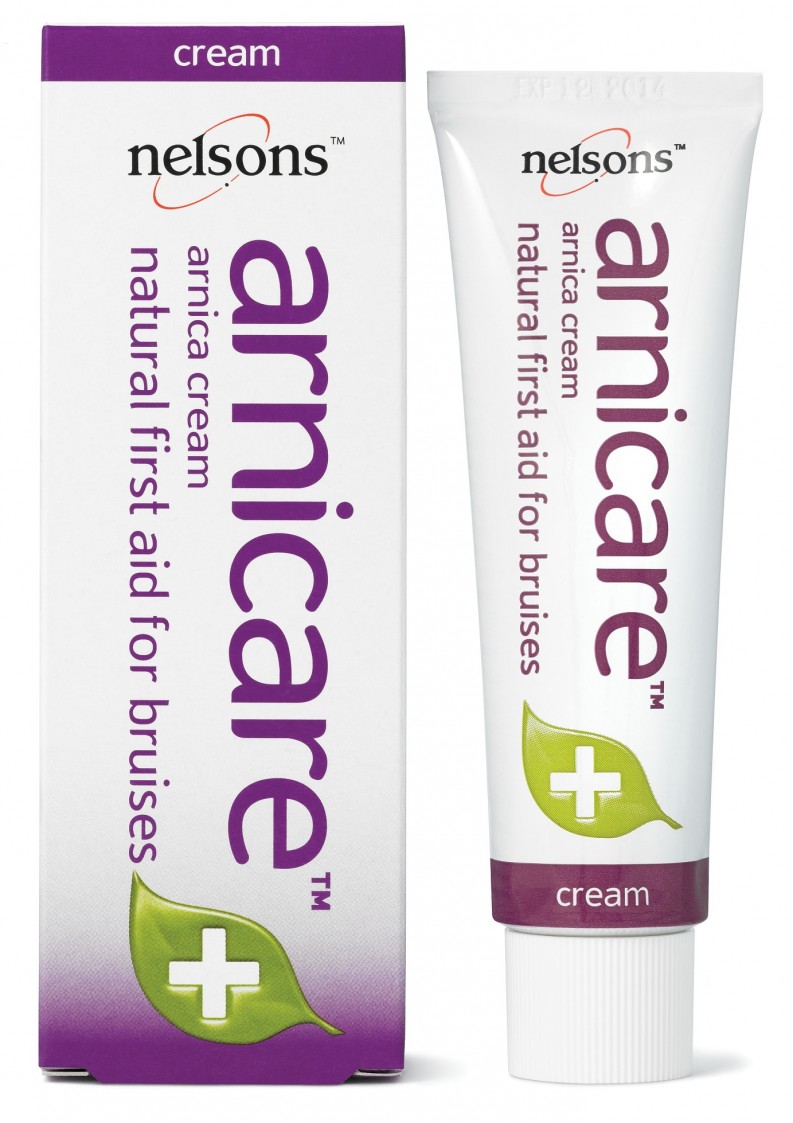
Nelsons Arnica cream
“Arnicare – Natural First Aid for Bruises”
I have to admit, this was one of the biggest shocks for me… I have been recommending this product for my friends and family for a long time and it never even occurred to me that a “natural”, homeopathic cream made by Europe’s longest established homeopathic manufacturer could be loaded with toxins….Until my daughter fell off her scooter and bruised her chin. I immediately applied Nelsons Arnicare but noticed that it had a “toxic smell”. So I checked the label and I found the following ingredients listed on it:
Ingredients: Purified water, glyceryl monostearate & macrogol stearate, apricot kernel oil, theobroma oil, glycerol, polawax GP 200 (cetearyl alcohol, PEG-20 stearate), cetostearyl alcohol, cetyl palmitate, glyceryl monocaprylate, methyl parahydroxybenzoate, propyl parahydroxybenzoate.
Cetearyl alcohol is made from coconut oil which in and of itself is not toxic. Cetyl alcohol is made toxic when it is mixed with methanol and copper chromate (which is a chemical that is known to cause cancer) under extreme temperatures and high pressure.Methyl Parahydroxybenzoate It is a preservative that may cause allergic reactions and contact dermatitis.
Propyl Parahydroxybenzoate Preservative that may cause skin irritations, allergic reactions, contact dermatitis and photosensitivity. It is listed on the National Institute of Health’s toxic Hazard List.
Head lice and nits are a common problem with children. Nice n Clear Head Lice Lotion is widely recommended for treating head lice.
Nice ‘n Clear Head Lice Lotion
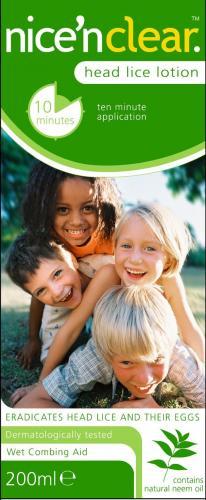
Ingredients: Aqua (water), Cetearyl alcohol, Glyceryl stearate, Melia azadirachta (neem seed) oil, Melaleuca alternifolia (tea tree) leaf oil, Lavandula angustifolia (lavender) oil, Urtica dioica (nettle) extract, Thymus vulgaris (thyme) extract, Propylene glycol, Cetrimonium chloride, Limonene, Linalool, Triethanolamine, Methylparaben, Propylparaben, Ethylparaben
Propylene Glycol Synthetic solvent, made from petroleum. It can cause contact dermatitis, lactic acidosis, skin rashes and dry skin.
Cetrimonium Chloride It is a synthetic preservative; can be toxic, depending on dose and concentration. It can cause eye and mucous membrane irritation.
Linalool Additive; may cause allergic reactions, facial psoriasis in children who are sensitive to it.
Triethanolamine Toxic buffer and coating additive; can cause allergic contact dermatitis, skin irritation. It is listed on the National Institute of Health’s Hazard List.
Methlparaben Toxic, may cause allergic reactions and contact dermatitis.
Propylparaben Preservative that may cause skin irritation, allergic reactions, contact dermatitis and photosensitivity It is listed on the National Institute of Health’s Hazard List. Ethylparaben Preservative; may cause skin irritation, allergic reactions, contact dermatitis; moderate potential for bio-accumulation).
Cradle cap is a harmless, common condition that affects about half of all babies. The NHS recommends the use of Dentinox Cradle Cap Shampoo to treat this condition. According to health visitors it is a safe and gentle product.
Dentinox Cradle Cap shampoo

Ingredients: Sodium lauryl ether sulpho-succinate 6% and sodium lauryl ether sulphate 2.7%, Sodium salf of coconut imidazoline, oleic acid diethanolamide, sodium chloride, rose perfume and water
Sodium lauryl ether sulpho-succinate and sodium lauryl ether sulphate Toxic surfactant and detergents; Irritation of the skin and eyes, Organ toxicity, Developmental/reproductive toxicity, Neurotoxicity, endocrine disruption, ecotoxicology, and biochemical or cellular changes and cancer.
Perfume: Any mixture of fragrance ingredients used in a variety of cosmetics. Some fragrance ingredients can trigger allergies and asthma. Some linked to cancer and neurotoxicity. Manufacturers are not required to disclose specific fragrance ingredients on the product label. So when you see perfume listed as an ingredient it normally represents a mysterious mixture of chemicals.
Putting chemicals on the skin can be more harmful than eating them. When you apply shampoo on your child’s head the chemicals are absorbed straight into the blood stream without filtering out any.
Olbas Oil

Parents feel reassured by the list of “natural” ingredients, and they are happy to sprinkle this oil on a child’s pillow or add a few drops in the bath water.
Olbas Oil is highly toxic if accidently swallowed, there is no symbol on the packaging to warn consumers that this is highly toxic. I urge anyone with this product in their cupboard to put it out of reach of their children.
Ingredients: Cajuput Oil BPC 18.50%, Clove Oil EP 0.10%, Eucalyptus Oil EP 35.45%, Juniperberry Oil BPC 2.70%, Levomenthol EP 4. 10%, Dementholised Mint Oil BP 35.45%, Wintergreen Oil BPC (1949) 3.70%.
Methyl Salicylate Strong irritant to the skin and mucous membranes; it may cause blood, liver reproductive and respiratory toxicity.
Undiluted oils in the eye may cause intense irritation and corneal damage. Ingestion may cause a burning sensation in the mouth and throat, hypersalivation, nausea, vomiting and diarrhoea. Vomiting of blood may occur. Volatile oils may be aspirated into the lungs causing pulmonary complications.
Unfortunately toxic substances can be found in many baby products that are markets as natural and organic. The ‘natural’ image of a product could lull people into a false sense of security.
Earth Friendly Baby Shampoo & Bodywash Chamomile
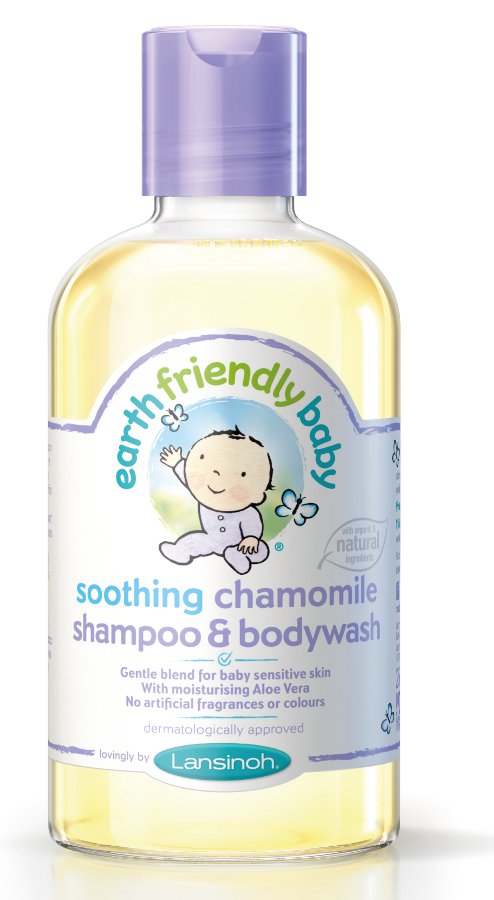
Ingredients: Aqua, Cocamidopropyl Betaine (Coconut-derived), Sodium Lauroyl Lactylate (Coconut-derived), Decyl Glucoside (Corn-derived), Glycerin (Vegetable-derived), *Aloe Barbadensis (Aloe Vera extract), *Anthemis Noblis (Roman Chamomile extract), *Glycine Soja (Soy Bean extract), Tussilago Farfara (Coltsfoot extract), *Urtica Diocia (Nettle extract), *Salvia Officinialis (Sage extract), *Lavendula Angustifolia (Lavender extract), *Salvia Sclarea (Clary extract), *Romarinus Officinalis (Rosemary extract), *Citrus Grandis (Grapefruit oil), Xanthan Gum (Vegetable), *Citrus Aurantium Dulcis (Orange oil), Phenoxyethanol (preservative), Potassium Sorbate (preservative), Citric Acid (Citral), Limonene (from essential oils)
*certified organic ingredient
Phenoxyethanol Preservative; it can cause mild allergic reactions in sensitive children. Concentrated solution can cause headache and nausea.
Potassium Sorbate Preservative; may cause allergic reactions, asthma, skin irritation and behavioural problems.
Burt’s Bees Bubble bath
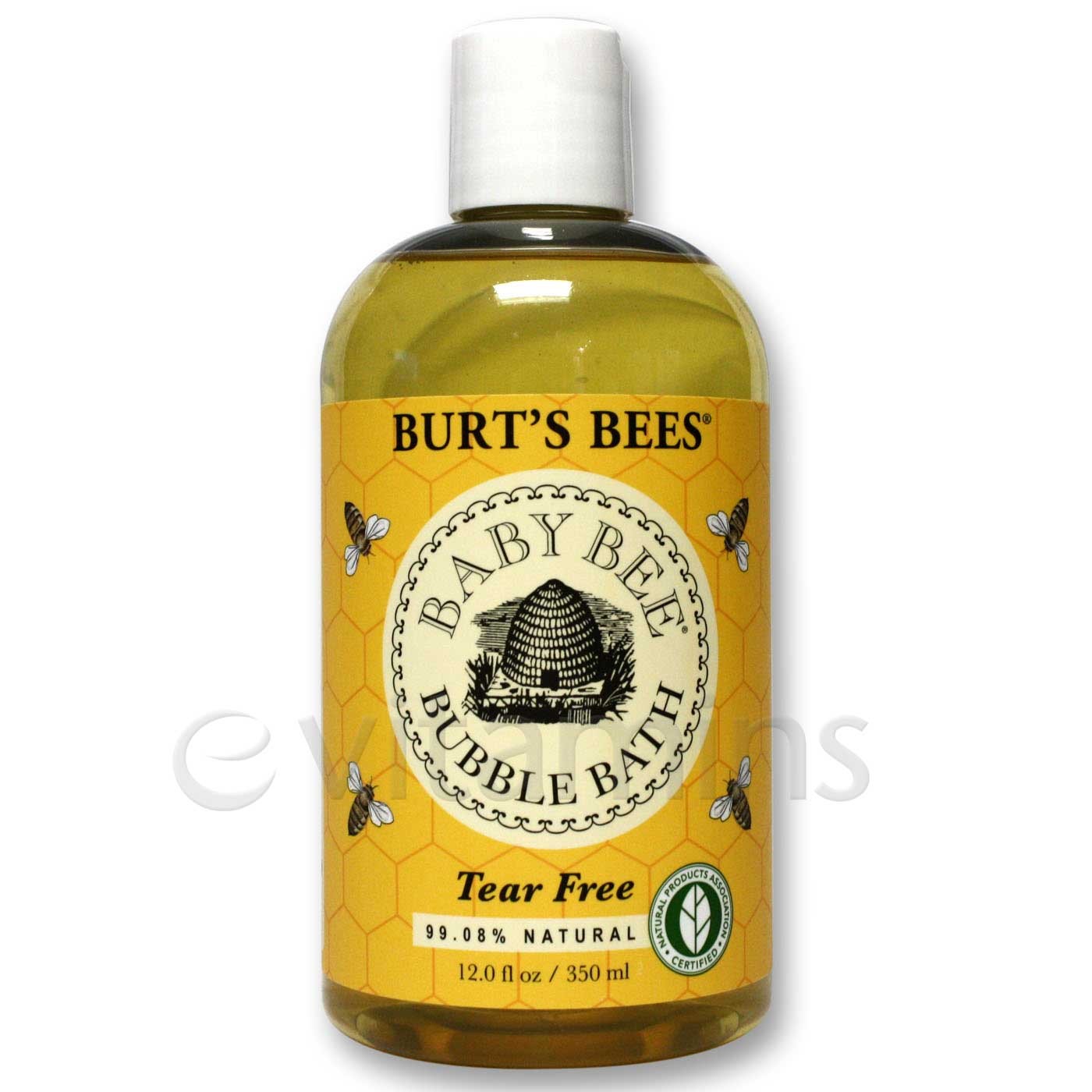
Ingredients: aqua (water, eau), decyl glucoside, coco-betaine, lauryl glucoside, sucrose laurate, glycerin, betaine, coco-glucoside, sodium cocoyl hydrolyzed soy protein, parfum (fragrance), glyceryl oleate, sodium chloride, xanthan gum, glucose, citric acid, glucose oxidase, lactoperoxidase, benzyl benzoate, geraniol, linalool.
Glyceryl Oleate Emulsifier; may cause contact dermatitis and skin allergies.
Glucose Oxidase it is an eye irritant, a skin irritant a lung irritant. It creates hydrogen peroxide, which creates free radicals on the skin.
Benzyl Benzoate Common side effects can include redness of the skin, itching and scaling. In addition, it may cause formation of blisters which may ooze and crust over.
Geraniol Additive; may cause allergic reactions and contact dermatitis. Toxic if ingested.
Linalool Additive; may cause allergic reactions, facial psoriasis in children who are sensitive to it.
Babies are even more vulnerable to the harmful effects of toxic chemicals so it is very important that we choose safe and toxin free personal care products for them. The best thing for a conscientious parent to do is to know what you are buying. Read the labels and research the companies before you buy any vitamins and personal care products for your children.
If you are worried about harmful ingredients in your children’s products, join our Facebook community where you can discuss your concerns with like-minded parents. Raising Toxin Free Children.
References:
http://toxnet.nlm.nih.gov/cgi-bin/sis/search/a?dbs+hsdb:@term+@DOCNO+659
http://www.bibra-information.co.uk/profile-404.html
http://www.naturalnews.com/039638_toxins_ingredients_nutritional_supplements.html
http://articles.mercola.com/sites/articles/archive/2012/06/23/whole-food-supplement-dangers.aspx
http://www.jmloveridge.com/cosh/Manganese%20Sulphate.pdf
http://www.naturalnews.com/033406_vaccines_polysorbate_80.html#ixzz2puJtB0md